Crawl Space Encapsulation Specialist Supply, NC
Supply sits inland along the upper reaches of the Lockwood Folly River, in the flatwoods and pocosin country that fills the center of Brunswick County. It is rural ground, low and slow to drain, where the river and its surrounding wetlands keep moisture in the soil for much of the year. Crawl space encapsulation in Supply helps homeowners on this damp terrain keep ground moisture and the humidity it feeds from collecting beneath their floors. Rather than relying on vents to carry humid air away, a losing battle when the land itself keeps supplying moisture, encapsulation seals the ground and conditions the crawl space so the home above stays drier and the structure better protected.
Contact Us
Why Supply, NC Crawl Spaces Face Moisture Challenges?
Around Supply, the land is flat and poorly drained, with the Lockwood Folly River and its bordering wetlands keeping the water table close to the surface across a wide area. Crawl spaces over this saturated flatwoods soil draw moisture upward steadily, and the humid coastal-plain air that enters through foundation vents condenses on cool joists, subfloor, and ductwork beneath the home. Without a sealed vapor barrier and managed humidity, that ongoing moisture cycle is what leaves a Supply-area crawl space prone to the musty odors, mold growth, and slow wood decay that follow chronic dampness. The pocosin character of the surrounding land means the ground holds water long after storms move through, so the pressure on an open crawl space is nearly continuous. Sealing and drying the space is what finally breaks that pattern.
The crawl space is a critical part of your home’s structure. You need your home to be a safe, dry environment for your family, so you are going to want reliable and effective foundation services. Finding a leading crawl space encapsulation contractor in Supply is the first step toward a healthy home.
About Us
Crawl space moisture management in Brunswick County comes down to consistent standards and clear protocols for protecting a home’s foundation and floor joists. The aim is to give local homeowners reliable, straightforward guidance for the specific conditions under their property, and a clear picture of what a sound, code-compliant crawl space should look like.
Our Services
A dry, stabilized crawl space makes the home above it more comfortable and its foundation more reliable. The focus is straightforward: keeping the space beneath a home dry, stable, and aligned with how a sound crawl space is meant to perform.
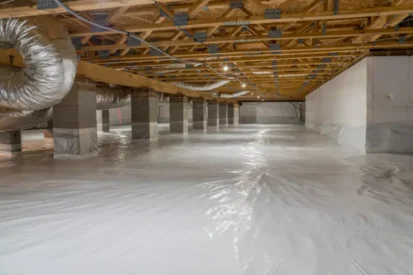
Crawl Space Encapsulation in Supply
Encapsulation isolates a Supply home from ground moisture using a continuous vapor barrier and sealed foundation walls. In North Carolina’s humid, high-water-table coastal conditions, it is the approach most often used to keep a foundation dry and structurally sound, and it is what the North Carolina Residential Code’s closed crawl space provisions are built around.
Dehumidification in Supply
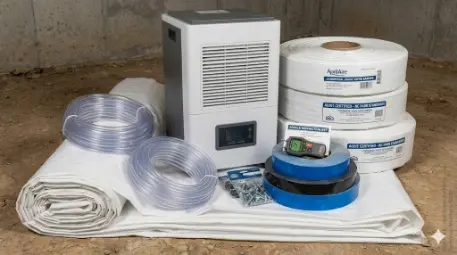
Managing relative humidity is essential in North Carolina’s coastal climate. A dedicated dehumidifier is what keeps a sealed crawl space within the moisture range the North Carolina Residential Code expects for a conditioned, unvented space beneath a Supply home.
Mold Remediation in Supply
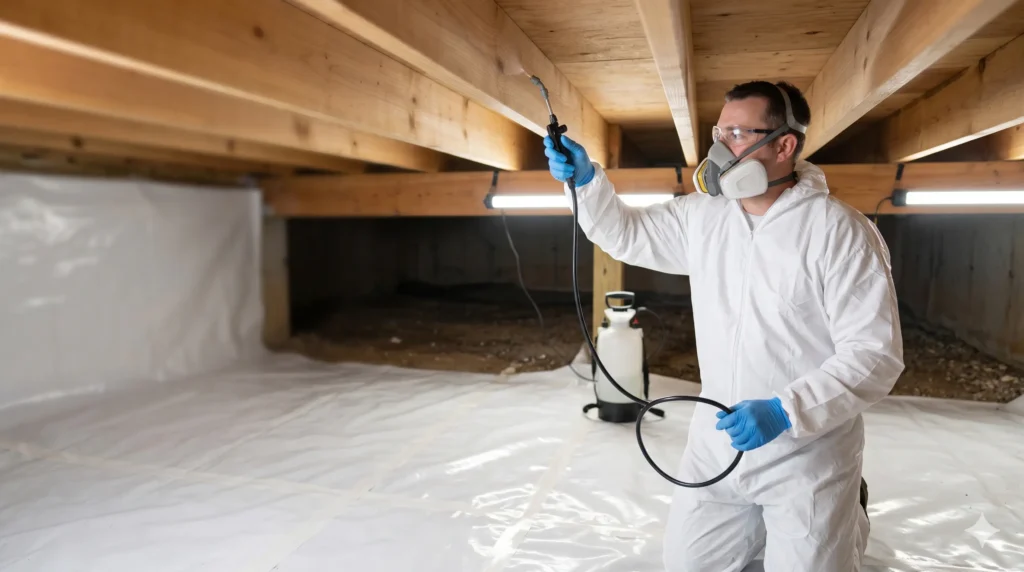
The humid Supply climate makes crawl spaces a common spot for mold, often on the joists overhead. Since much of your indoor air rises from below, it can mean musty odors and worse air upstairs. Remediation targets the moisture source, not just the growth. A free estimate is provided after an inspection.
Vapor Barrier in Supply
Bare crawl space soil under Supply homes releases moisture around the clock, feeding humidity, musty odors, and wood decay. A vapor barrier seals the ground off from the air above, which may help keep the space — and the rooms above it — drier. A free estimate is provided after an inspection.
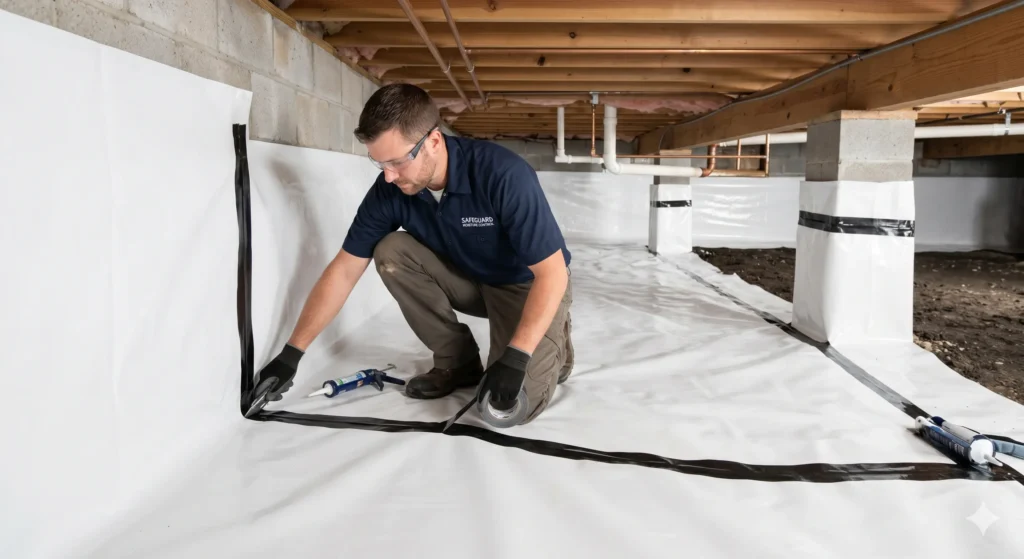
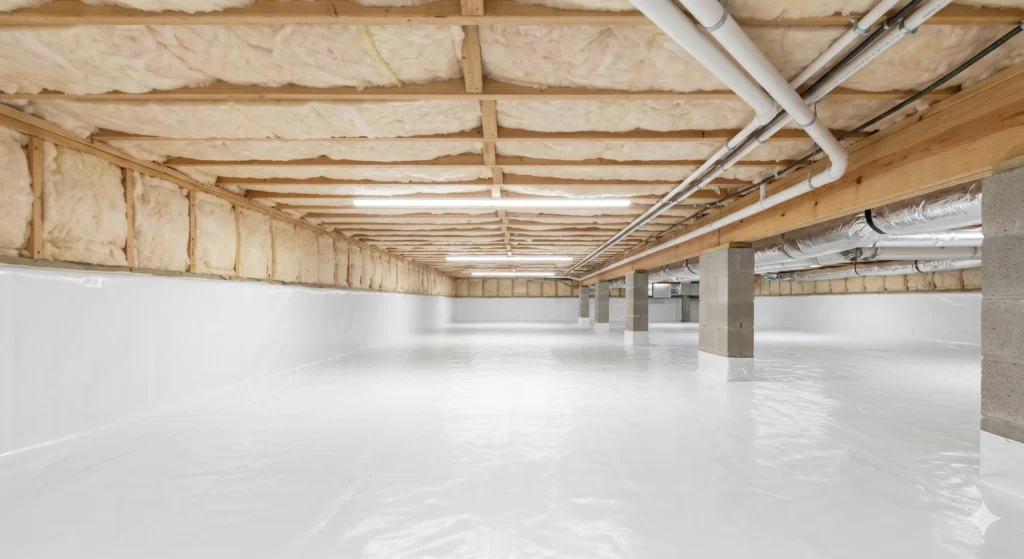
Crawl Space Insulation in Supply
Cold floors and uneven temperatures in a Supply home often trace back to an under-insulated crawl space. Insulating it — usually alongside sealing in this climate — may improve comfort and energy efficiency. Contractors here typically check for moisture first, since damp insulation does more harm than good. A free estimate is provided after an inspection.
Foundation Code Compliance
Keeping a crawl space aligned with the North Carolina Residential Code’s unvented crawl space standards — which govern how a sealed crawl space must be conditioned — is part of what a thorough assessment checks for in Supply, NC properties.
- Musty Odors: A persistent, earthy smell in the living area, often strongest near floor vents. This is caused by the “Stack Effect,” where warm air rises and pulls damp, mold-spore-heavy air from the crawl space into your home.
- Cupping Hardwood Floors: When the bottom of a wood floor board absorbs more moisture than the top, the edges curl upward. This is a primary sign of high humidity in the sub-floor.
- Sweating HVAC Ducts: Cold air running through metal ducts in a hot, humid crawl space causes chronic condensation. This “sweat” drips onto insulation and wood, leading to rot.
- Visible Growth & Mildew: White or gray fuzzy growth on floor joists or the paper backing of fiberglass insulation is a clear indicator that humidity is consistently above 60%.
- High Indoor Humidity: If your air conditioner is running but the house still feels “sticky” or humid, your crawl space is likely acting as a reservoir of water vapor.
Frequently Asked Questions
Is crawl space encapsulation required by NC Building Code?
The North Carolina Residential Code specifically allows sealed, unvented crawl spaces when they are properly conditioned. A compliant system uses a continuous Class A vapor retarder meeting ASTM E1745 and permanent mechanical drying, typically a dedicated dehumidifier.
How much does crawl space encapsulation cost in Supply, NC?
Costs vary based on the size of the crawl space, its current condition, and whether additional work such as mold treatment may be needed. A free on-site inspection is how contractors in the Brunswick County area provide an accurate estimate for your specific property and situation.
Does encapsulation increase the value of my home in Supply, NC?
In Brunswick County’s active real estate market, home inspectors increasingly flag unencapsulated crawl spaces as concerns. A professionally encapsulated crawl space, documented to the North Carolina Residential Code, may be a meaningful factor during a real estate transaction.
Will this lower my energy bills?
By creating a conditioned envelope beneath the home, some Supply homeowners report reduced heating and cooling costs because the HVAC system no longer has to work against humidity entering through unprotected crawl space vents. The degree of impact varies by property, existing system efficiency, and specific moisture conditions.
Serving Supply, NC
Contact Us (Call Now)
The health of your home in Supply is often dependent on the environment directly beneath its foundation. Because what happens in your crawl space affects the air and structure above it, our assessments help determine the current condition of your property and the long-term benefits of creating a healthier home environment.